Choosing The Right Pool Depth For Florida Families And Sports
April 1st, 2026 | by jackiec
How deep should your pool be if you want kid-friendly play and a good setup for volleyball or laps? In Florida, pool depth choices hit differently because yards run tight, screened lanais are common, and heat plus summer storms change how you’ll use (and maintain) the water.
The goal is simple: pick a depth profile that matches your daily life, not a once-a-year “maybe we’ll dive” idea. Below is a practical way to think like a builder and an owner, with layouts that work well in many Tampa-area backyards. Always confirm local permit rules, setbacks, and safety barrier requirements with your city or county before final plans.
Start with your real use, not the dream scenario
Most families don’t use every part of the pool equally. They live in the shallow end. Kids play there, adults stand and talk there, and games happen there. As a result, your best depth plan usually supports standing, moving, and playing more than it supports a deep end.
Florida-specific factors also push many homeowners toward moderate depths:
A screened enclosure (lanai) often becomes the “outdoor living room,” so you’ll want a layout that leaves deck space for seating and traffic flow. Meanwhile, Florida sun and warm nights can keep water temps high, which affects comfort and chlorine demand. Summer downpours also change water level and chemistry fast, so simple shapes and reachable depths make cleanup easier.
If you’re early in the planning phase, it helps to review a full build process so depth decisions line up with structure, finish, and equipment choices. The New Pool Construction & Design page is a good starting point for how these pieces connect.
Recommended pool depth ranges by activity (quick guide)
Use this table as a planning tool, then adjust for your family’s heights, comfort level, and any sports equipment you want to add.
| Activity or priority | Recommended water depth | Why it works in Florida backyards |
|---|---|---|
| Sun shelf lounging, small kids supervised | 6 to 12 inches | Great for cooling off, easy entry, fits tight footprints |
| General family play, standing, social time | 3 to 4 feet | Most adults can stand, kids gain confidence, good visibility |
| Pool volleyball | 3.5 to 4.5 feet | Keeps footing stable, reduces rough play in deep water |
| Pool basketball (casual, not dunk-focused) | 4 to 5.5 feet | Enough depth for movement, still workable for standing breaks |
| Lap swimming (recreation) | 4 to 5 feet | Depth feels comfortable, length and clear lanes matter more than depth |
| “Deeper end feel” without a true diving pool | 5.5 to 6.5 feet | Gives teens a deeper zone, limits extra volume and cost |
For more depth planning examples from pool designers, compare notes with a broad guide like the pool size and depth options overview or a depth-focused explainer such as the guide to choosing your pool depth.
A common regret is building “too deep to stand” without building “deep enough to dive.” That middle ground costs more but adds less day-to-day fun.
Three Florida-friendly depth layouts that balance family time and sports
These sample layouts come up often because they fit many screened enclosures and keep the pool useful for the whole household. Think of them like floor plans for water.
Sport pool: 3.5 to 5 feet (best all-around for families)
This is the classic “everyone can use it” setup. You get a shallow end for play and a slightly deeper middle for movement, laps, and games. Volleyball works well here because both sides stay stand-friendly.
Many homeowners also like how this depth feels during hot months since it’s not as bathtub-warm as ultra-shallow pools, but it still stays manageable for cleaning and chemistry.
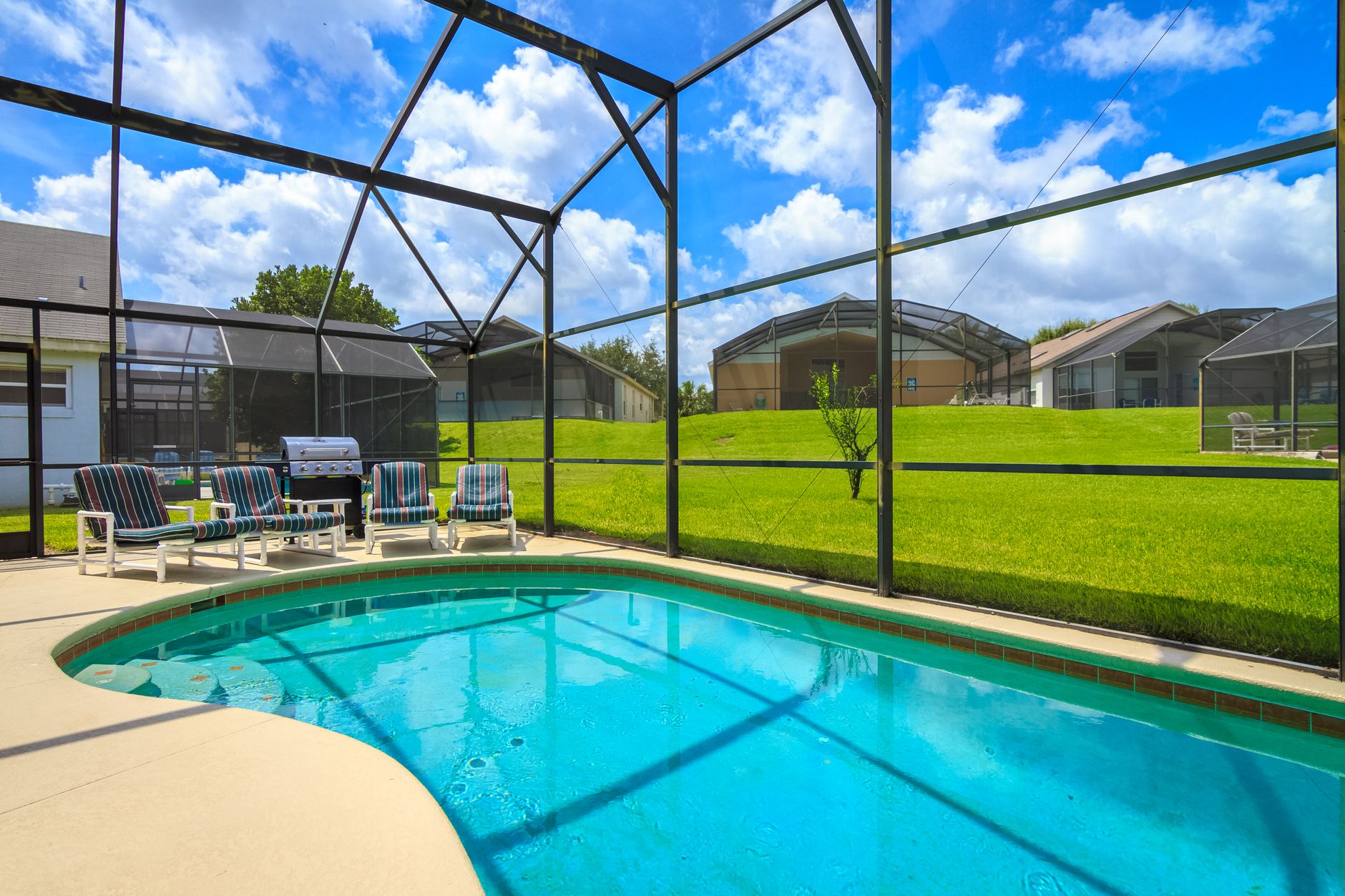
Photo by An Flamand
Family pool with “deep-ish” end: 3.5 to 6 feet (for older kids)
If you want a little more separation, this profile gives you a clear shallow hangout zone and a deeper end that feels more like a traditional pool. It’s still not a diving pool, but it can feel more exciting for teens.
The key detail is the transition. Ask for a smooth slope and a wide “pause zone” around 4.5 to 5 feet so nobody hits an unexpected drop while playing.
Play-first layout: sun shelf plus 3.5 to 5.5 feet (best for little ones and hosting)
This layout combines a sun shelf for toddlers and lounging with a main basin that supports standing and casual sports. It also pairs well with a raised spa or a bench along one wall, which is handy during parties.
If you’re comparing design options and how they fit a Tampa-area backyard, the Ultimate Guide to New Pool Construction and Design in Tampa can help you think through spacing, features, and trade-offs.
Deeper water trade-offs: cost, maintenance, and accessibility
A deeper pool isn’t just “more water.” It’s more of everything: gallons, chemical demand, heat time, and circulation workload. Here’s a simple way to visualize it.
If a pool averages 450 square feet of surface area (about a 15 by 30 layout), each extra foot of depth adds about 3,366 gallons (450 × 7.48). That extra water needs sanitizing, filtering, and sometimes heating.
Deeper sections can also affect everyday comfort. Adults may end up treading water instead of standing and relaxing. For sports, that means more fatigue and less casual play.
Accessibility matters just as much as depth. Even a perfect depth profile can feel “hard to use” without the right entry and rest spots. Consider planning for one or two of these features early, since they’re easiest to build in:
- Wide steps with a handrail for kids and grandparents.
- Benches or swim-outs around 4 to 5 feet for breaks during games.
- A second entry point if the pool is long or the deck traffic is split by a lanai layout.
For code and inspection topics, your builder should guide you, but you can also read general safety language in Florida-related regulations (often written for public pools) in documents like the Florida pool safety excerpts PDF. Always confirm what applies to residential pools in your jurisdiction.
If you’re vetting who should build it, start with experience and process, not just price. See Top Award-Winning Pool Companies in Tampa for a checklist-style view of what to look for.
FAQ: Deep ends, volleyball, and diving safety
Is 8 feet worth it in Florida?
Only if you have a clear reason, like a true diving design planned from day one. Otherwise, many families enjoy a 5 to 6.5-foot maximum more often because it keeps the pool social and lowers ongoing costs. If you still want “deep end vibes,” a 6 to 6.5-foot pocket can scratch that itch.
Best depth for volleyball?
For most home games, 3.5 to 4.5 feet is the sweet spot. Players can plant their feet, bump safely, and reset between points. If one side gets too deep, games turn into treading-water contests.
Can you safely dive?
Don’t assume any residential pool is safe for diving. Diving safety depends on depth, slopes, clear space, and how the pool is engineered. If diving is a priority, design for it explicitly, follow manufacturer and code guidance, and set house rules even then.
Final thoughts
The “right” pool depth is the one your family will use every day, not the one that looks impressive on paper. For many Florida homes, that means a sport-friendly profile with lots of 3.5 to 5.5-foot water, plus smart entries and places to rest. Before you lock anything in, confirm local permit rules and barrier requirements, then choose a layout that fits your yard and your routine.