Can You Live at Home During Tampa Pool Construction?
August 3rd, 2026 | by jackiec
Yes, many Tampa-area homeowners stay home while a pool is being built. The better answer depends on the scope of Tampa pool construction, your property layout, household needs, and the contractor’s safety plan.
Simple fiberglass pools and smaller plunge pools with open side-yard access may cause manageable disruption. A large shotcrete pool with a spa, screen enclosures, outdoor kitchens, or tanning ledges can make the backyard noisy and unusable for weeks. Preparing the worksite before swimming pool construction begins helps you judge whether staying home will feel practical.
Key Takeaways
- Many Tampa homeowners can remain at home during pool construction when the worksite has safe separation, reliable access, and a clear contractor plan.
- Excavation, concrete work, deliveries, dust, noise, vibration, and temporary utility interruptions usually create the greatest disruption.
- Children, pets, and guests should stay away from open excavations and active work areas until barriers, inspections, and final approvals are complete.
- Pool type and project scope affect the schedule, cost, and daily impact; fiberglass pools may install faster, while shotcrete pools allow more custom features but often require more construction stages.
- Before work begins, confirm the permit responsibilities, access route, barrier plan, schedule, payment terms, change-order process, cleanup duties, and warranty coverage in writing.
Is It Safe to Stay Home During Pool Construction?
Pool construction creates temporary hazards, especially while the excavation remains open. Children, pets, and anyone with limited mobility need clear separation from the active work area.
A responsible pool contractor should provide a site-specific safety plan and explain how the site will be secured each day. Ask about temporary fencing, locked gates, equipment storage, material delivery routes, and cleanup. Never assume an open excavation is safe because workers have left for the day.
Staying home usually works best when:
- The crew has a separate route from the street or side yard.
- Your main doors and driveway remain accessible.
- Temporary barriers surround all excavated areas.
- Children and pets can stay away from the backyard.
- You can tolerate equipment noise, dust, vibration, and delivery traffic.
- The work won’t interrupt essential utilities or household access.
The arrangement becomes harder when workers must pass through the home, remove a fence, cross a narrow yard, or stage equipment beside bedrooms. Heavy rain can turn access paths into mud. Tampa’s heat may also complicate outdoor work and material storage.
Your builder should provide a site-specific safety plan, but household rules still matter. Keep pets indoors or in a separate secured area. Teach children that the backyard is off-limits. Don’t enter the site to inspect progress without permission, even when the crew isn’t present.
The most serious risk is usually the open excavation, not the finished pool shell. Treat the dig as a restricted construction zone until barriers are in place and final inspections are complete.
What to Expect During Each Phase of Tampa Pool Construction
The pool construction process varies by pool type, permit timing, weather, access, and design complexity. Swimming pool construction typically moves through several distinct phases.
Design, site review, and permitting
Before digging begins, a custom pool builder may offer a free design consultation. The team then confirms the pool location, property lines, utility routes, and machinery access.
A 3D design can help finalize the custom pool design, access plan, equipment pad, and drainage layout. A survey or engineered plan may still be necessary for tight setbacks, unusual grading, easements, or nearby structures.
The permit stage can take weeks or longer. The City of Tampa’s pool and spa plan review guidance explains that engineered structural plans may follow a separate review process. Homeowners outside the city should check their actual jurisdiction. Unincorporated Hillsborough County and other municipalities may use different intake procedures.
During this phase, daily disruption is usually low. Features such as tanning ledges or a complex spa design can affect structural preparation and coordination. Late design changes can increase cost or delay the start.
Excavation and soil preparation
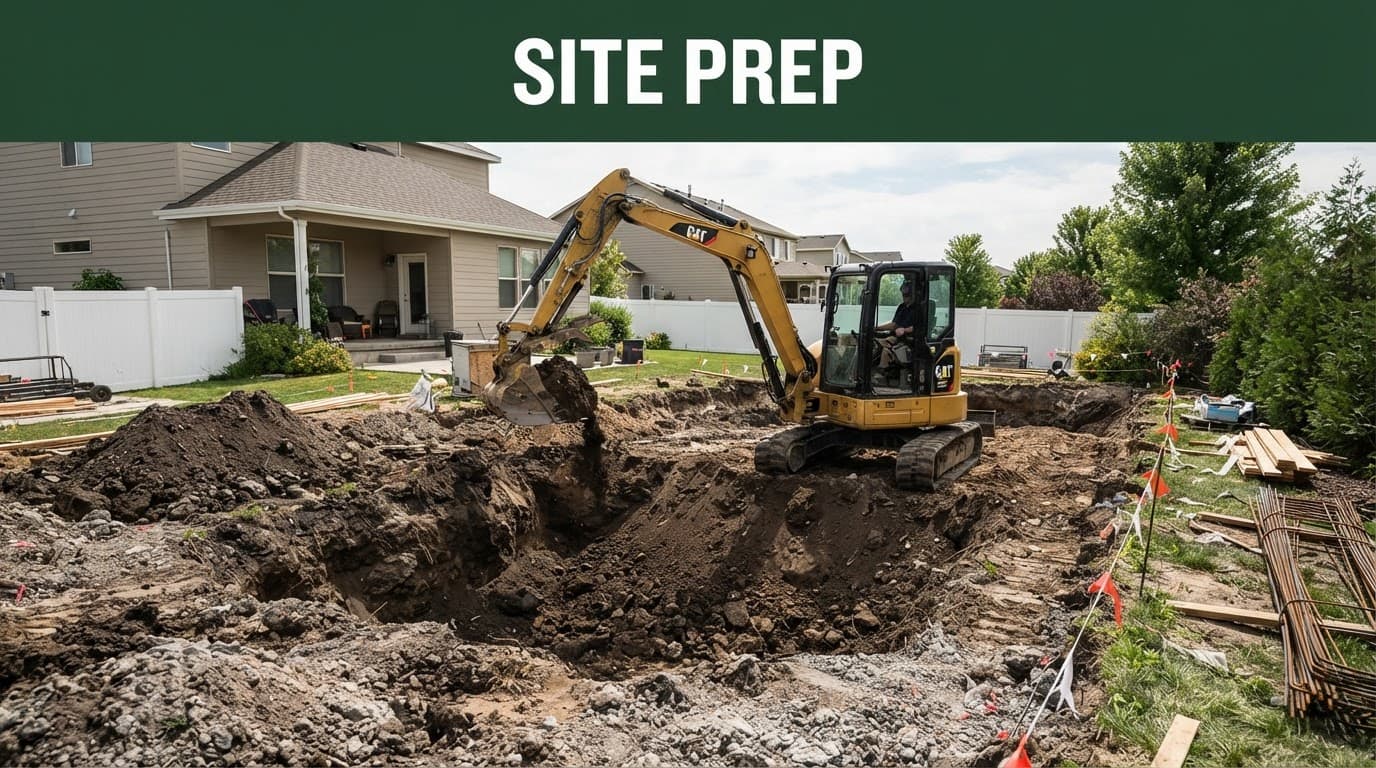
Excavation is typically the loudest and messiest part of the job. Trucks, compactors, and excavators may operate close to the house. Expect vibration, dust, dirt on access paths, and temporary loss of backyard use.
Even smaller plunge pools require careful access, excavation, and equipment planning. Tampa properties can also present high water tables, sandy soils, dense clay, buried debris, roots, or difficult equipment access.
The contractor may need additional dewatering, soil work, hauling, or drainage corrections. These conditions can affect both the schedule and the final price.
Shell, plumbing, and structural work
For shotcrete pools, workers install steel reinforcement and plumbing before spraying the shell. The process creates construction noise, and the shell then needs time to cure. The open pool area and exposed materials also require care around the worksite.
Fiberglass pools usually involve preparing the excavation, setting a factory-made shell, connecting plumbing, and backfilling. That can reduce the number of construction days on site, although decking, electrical work, screens, and landscaping still require additional crews.
Decking, equipment, finishes, and inspections
The final phase includes coping, tile, plaster or other interior finishes, pumps, filters, and LED lighting. It may also include automation, decking, drainage, and screen enclosures.
These features may require additional structural preparation and coordination. Crews may return several times as different trades complete separate tasks.
The pool may look finished before the project is legally complete. Final inspections, barrier checks, equipment startup, and water balancing still need to happen. Ask your builder who schedules each inspection and what must be complete before you can use the pool.
Tampa Permits, Barriers, and Property Conditions
A residential pool normally requires pool permits for the structure and applicable trade work. Requirements depend on whether the property is within Tampa, unincorporated Hillsborough County, or another local jurisdiction.
Hillsborough County’s residential pool requirements checklist outlines common intake, site plan, and building plan requirements. Your contractor should identify the applicable permits and provide copies or status updates upon request. A pool remodeling project may involve a different review scope when existing barriers, decks, plumbing, or electrical systems are altered.
Barrier rules deserve special attention. Fences, screen enclosures, or an approved portion of the home may form part of the required barrier, but doors, gates, and windows must meet applicable safety provisions. A missing self-closing gate or unprotected access point can delay final approval, even when the pool itself is complete.
The Florida Building Code and local interpretations also affect setbacks, electrical bonding, plumbing, drainage, equipment placement, and safety features. Ask the builder to explain the plan in plain language. You should know where the barrier will be installed before construction, rather than discovering that requirement after the deck is poured.
Tampa’s storms add another planning concern. Secure loose materials, protect household entry points, and ask how the crew handles heavy rain. A storm may not damage the pool, but it can wash dirt into the excavation, delay concrete work, or damage temporary fencing.
How Pool Type and Project Scope Change Daily Life
Material choice affects pool cost, construction length, and daily disruption, but the feature package often matters just as much.
| Pool option | Typical construction effect | Design and maintenance considerations |
|---|---|---|
| Fiberglass pools | Faster shell installation, fewer shell-building days on site | Smooth surface, lower maintenance needs, limited factory shapes and sizes |
| Shotcrete or concrete | More excavation, steel, plumbing, shell, curing, and finish stages | Highly flexible shapes, custom depths, tanning ledges, spas, and integrated features |
| Vinyl liner | Often lower initial construction cost | Liner can tear or fade and may need replacement later |
Fiberglass pools may suit a homeowner who wants the backyard reopened sooner. Concrete pools suit tight or irregular yards when molded shells can’t provide the needed dimensions for a custom pool design. Vinyl liner pools can work for some budgets, but compare the long-term liner replacement plan before choosing one.
Compact plunge pools can also make sense in a small Tampa backyard. The builder still needs room for equipment, deck clearance, required setbacks, drainage, and safe access. Plunge pools don’t automatically mean a short project if workers have limited access or the design includes elaborate finishes.
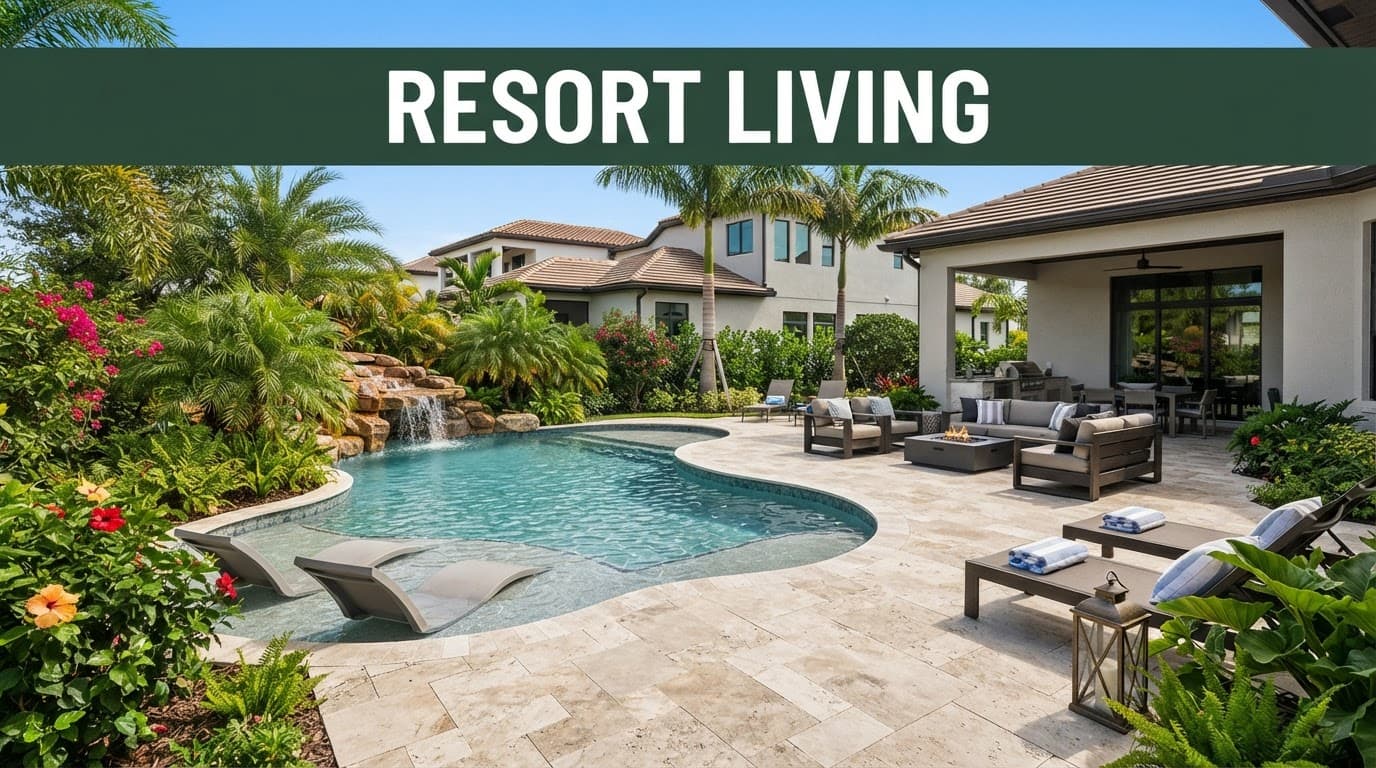
Features such as tanning ledges, raised spas, coordinated spa design, water features, fire bowls, outdoor kitchens, and large screen enclosures add more trades and coordination. A coordinated package can create a backyard oasis, while a basic pool may let your household remain comfortable. A full outdoor living space renovation, including pool remodeling, may feel closer to a major home remodel.
Practical Tips for Living Around an Active Worksite
Set expectations before the pool construction process begins. Ask your contractor for a written schedule identifying noisy activities, delivery days, utility interruptions, and accessible areas.
Keep cars away from the construction route. Park on the street only where local rules allow it. Ask how concrete trucks and excavation equipment will reach the yard. Protect indoor floors if workers enter the house. Close nearby windows during excavation or concrete work.
Tampa’s afternoon storms can arrive quickly, so secure outdoor furniture and loose items before work begins. Keep windows closed during dusty operations. Plan indoor activities for days with heavy equipment. If someone works from home, place their workspace away from the work zone. Consider occasional off-site work during excavation and concrete placement.
Use this pre-construction checklist:
- Confirm daily work hours and the best contact for urgent questions.
- Mark areas workers may use for access, storage, parking, and deliveries.
- Remove fragile outdoor items, toys, furniture, and decorations.
- Arrange a secure plan for children, pets, and guests.
- Photograph nearby walls, pavers, landscaping, fences, and the driveway before work begins.
- Ask how dust, mud, stormwater, and construction debris will be controlled.
- Confirm which utilities may be interrupted and how much notice you’ll receive.
- Put the payment schedule, change-order process, cleanup duties, and warranty terms in writing.
Communication matters more than frequent site visits. A builder who sends regular updates, photos, and schedule changes can help you plan around disruptions. If a problem appears, raise it early. Keep important decisions in writing.
Questions for a Pool Builder Tampa Homeowners Can Trust
Current Tampa Bay area planning ranges vary widely, with fiberglass pools commonly costing $55,000 to $100,000 installed and larger, turn-key builds reaching $85,000 to $200,000 or more.
Concrete pools often start near $55,000, while shotcrete pools can exceed $150,000 with custom shapes, premium finishes, spas, extensive decking, or difficult site work. Vinyl liner pools may start lower, but future liner replacement affects lifetime costs.
These figures are planning ranges, not a final pool cost or bid. Ask whether excavation, pool permits, engineering, electrical work, drainage, decking, screen construction, landscaping, startup chemicals, and cleanup are included. Smaller plunge pools or designs with tanning ledges don’t automatically eliminate excavation, decking, or equipment costs.
After permits are approved, many projects take roughly 8 to 12 weeks, while complex shotcrete builds may take several months. Weather, inspections, material availability, access, and change orders can extend that period. No builder can guarantee an exact completion date before those variables are known.
Pool financing options may include a home equity loan, HELOC, personal loan, or pool-focused plan through lenders such as Lyon Financial. Some homeowners also compare personal lenders such as LightStream. Review pool financing carefully, comparing the APR, fees, collateral, payment timing, and total repayment amount. A low monthly payment can still produce a high total cost.
Before signing, compare proposals from a custom pool builder, consider a free design consultation, and verify details with your pool contractor. Ask for:
- A license number and current insurance information.
- A detailed scope with allowances and exclusions. Any quote combining new construction with pool remodeling should separate the work, allowances, and payment milestones.
- The projected permit and inspection responsibilities.
- A written structural warranty and workmanship coverage.
- Manufacturer warranty details for pumps, heaters, lights, and automation.
- A payment schedule tied to completed work.
- Lien releases from the contractor and major subcontractors.
A permitted, well-maintained pool may improve a home’s appeal, but property value depends on neighborhood demand, lot size, workmanship, and buyer preferences. Treat the pool as a lifestyle purchase first, not a guaranteed return.
Frequently Asked Questions
Can I live at home during Tampa pool construction?
Yes, many homeowners stay home while a pool is being built. It is most practical when the contractor can separate the worksite from household areas and keep doors, driveways, and essential utilities accessible.
What is the most disruptive phase of pool construction?
Excavation is usually the loudest and messiest phase, with heavy equipment, dust, vibration, deliveries, and temporary loss of backyard access. Concrete placement, shell construction, and decking can also create significant noise and activity.
How long does Tampa pool construction usually take?
After permits are approved, many projects take roughly 8 to 12 weeks. Complex shotcrete pools, difficult access, severe weather, inspections, material delays, and change orders can extend the schedule to several months.
How can I keep my family and pets safe during construction?
Ask the pool contractor for a site-specific safety plan that includes temporary fencing, locked gates, equipment storage, and cleanup procedures. Keep children and pets away from the backyard and never enter an open excavation or active work area without permission.
What should I confirm with a Tampa pool contractor before signing?
Review the detailed scope, allowances, exclusions, permit responsibilities, projected schedule, payment milestones, cleanup duties, and change-order process. Also verify current insurance, structural and workmanship warranties, equipment coverage, and lien-release procedures.
Conclusion
You can often live at home during pool construction when the site has safe separation, reliable access, and a clear contractor plan. The hardest periods are excavation, concrete work, deliveries, and changes affecting doors, utilities, or the driveway.
Before work begins, review the scope, barrier plan, access route, timeline, written contract, and structural warranty. With realistic expectations and open communication, your household can manage the disruption. The finished project may create a backyard oasis and improve usable outdoor living space, while any property value increase should be viewed as a possible secondary benefit, not a guarantee.